
Late in the month I sat in the copse at dawn accompanied by a Tawny Owl and a Blackbird. The sun rose, but there was no warmth, the field and hedges were covered with a full white frost. By nine o’clock, the entire landscape had changed; the sun was warm, the frost had almost disappeared, the Woodpecker was busy at work alongside the chatter of all the latecomers from the world of birds. There were Wrens, Skylarks, Dunnocks, Robins, Jackdaws, a lonesome Song Thrush and a wheezy Pheasant. As the day moved on it revealed the beauty of a landscape emerging from its winter hibernation, giving a glimpse of all the growth and colour that was about to explode.
There were noisy Seagulls in the distance, which meant a field was being ploughed somewhere close by and a rich feast of earthworms was being enjoyed. The upside of this event is that it shows the land is still alive with goodness. The downside is that if the Gulls carry on feasting on the worms and bugs, the land will be stripped of its goodness – it’s a drawback of ploughing the fields.
Although we experienced above average sunshine during March, there were many days of rain, fog and grey skies, and after our brutal Winter we were weary and blinded to the silent work of nature. And then, one morning we see it, there is action everywhere. The trees have taken on a different hue as their buds begin to open and there is Stitchwort all along the hedges, in full bloom. The Autumn Olive trees is in full leaf, as is the Horse Chestnut tree. The Buddleia trees were also in full leaf. I know they are considered a weed and a menace to some, but here in the field they provide a good fill in between the young trees. They provide protection from the winds for the fruit trees and they are an excellent food source too many insects and of course, an absolute magnet to dozens of Butterflies later in the season. For the moment, they stay.
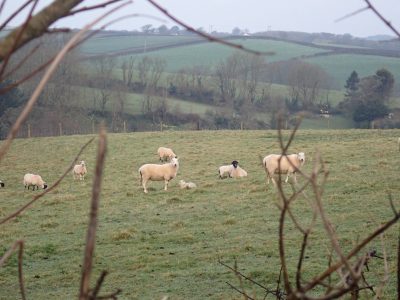
The Sheep in our neighbour’s field have now had their young and their calling sounds can be heard floating around the field. On this sunny morning, they are all lying out across the hill, as opposed to huddling in the hedges, sheltering from the rains and howling winds. I feel their joy at the warm and dry weather. I love to see and hear the lambs – I hate the thought of eating them.
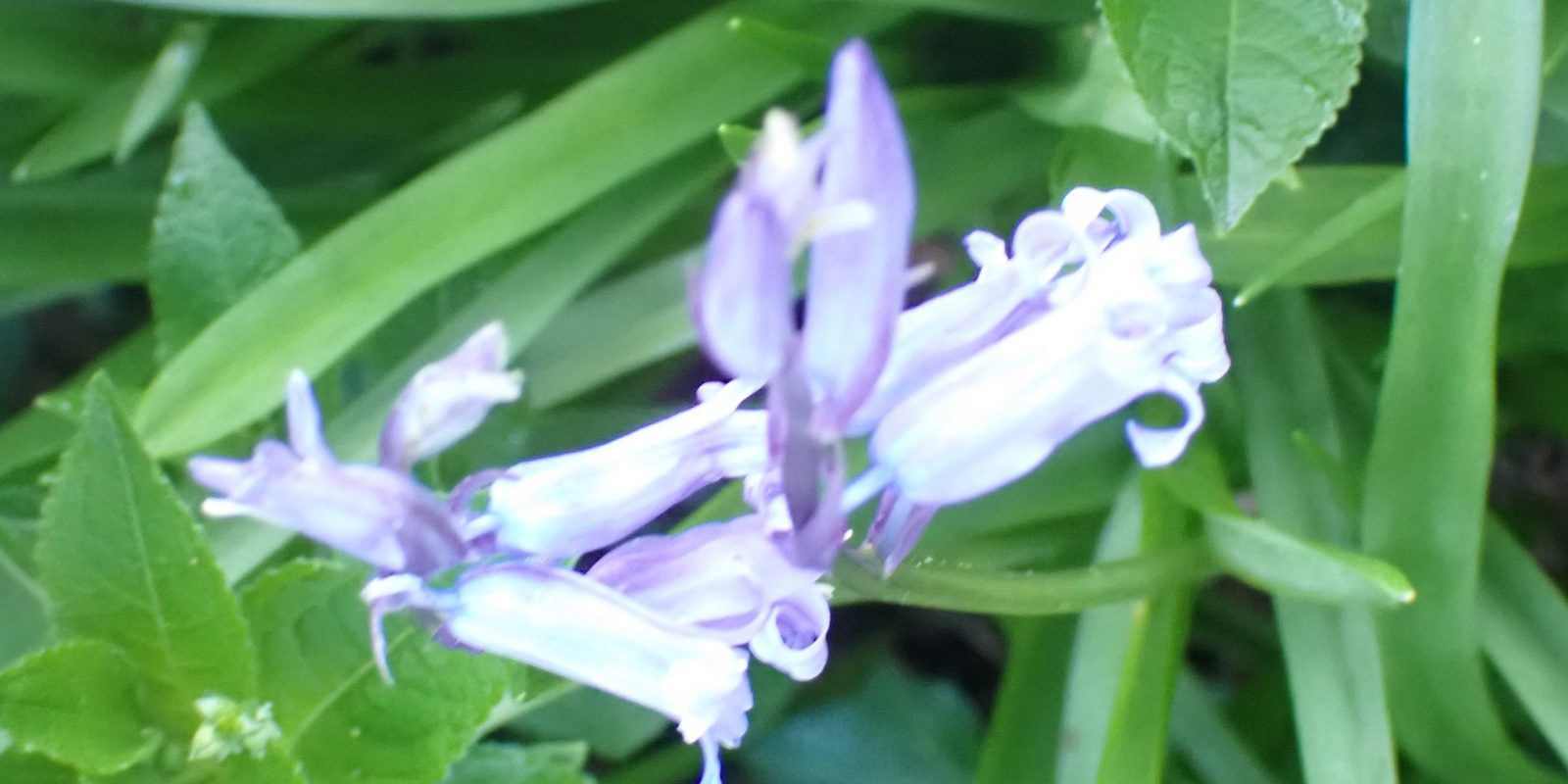
Dandelions are popping up all over the place and these days I welcome them with open arms. Primroses and bluebells are both in full bloom. The Magnolia tree looks glorious, two months earlier than its usual flowering season and with a greater abundance of magnificent pale pink blooms. The Oaks, however, looked miserable. The lovely russet gold of their Autumn days has faded and now they just look dead. Their new growth has yet to appear. The Junipers continue to survive, stubby and short in shape and sculpted by the winds. Likewise the Silver Birches are blown into bent shapes with long pointed spindly branches, looking like Shakespearean witches. Not a leaf in sight.
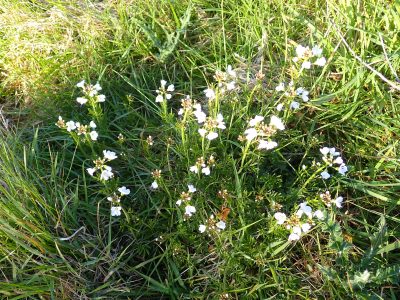
The Spiderwebs started to appear all across the field, glistening with dewdrops in the sun, and underneath the hedges there were crowds of Violets, Celandine, Stitchwort and Daisies. And the surprise pop up of the month was the Cuckoo plant, (or Lady’s Smock), which has spread to 3 completely new and separate areas of the field, and another in the hedge at the back of our house. It’s a constant source of amazement to see what nature can get up to without any help from us.
The grass, as always, never stopped growing and with the added warmth from the sun, it became a lush, verdant and glossy oasis -and that’s when we discovered the lawnmower didn’t work and yes, we had forgotten to organise the annual MOT.