
A general sense of calm descends on the land in July. Nature falls quiet. The birds are busy feeding their fledglings – no time for the brilliant tunes of previous months. The insane growth seen in May and June slows down, it’s the time for the ripening of the fruits and berries on the trees and keeping an eye on the vegetable garden which is now at the height of its production. This is when neighbours come together to share their produce because we all have too much, and the rest is put out in boxes on the lane for any passing visitor to take away. It all gets used.
Across the UK and Europe this year the land has struggled – the heat has been relentless and there has been no rain. Heatwave conditions for the third month running. As always, on The Lizard, we had less high temperatures, (nothing above 26 degrees Centigrade – plenty hot enough for me), but it was still relentless sun from early in the morning to sunset. Bits of short rainfall arrived and left very quickly. Very little respite for the land and it was harsh weather conditions for the farm animals. All the rivers, including the one that runs at the base of our field, became trickles of water.
The combination of this heat and dry weather brought on drought conditions and wildfires throughout Britain. A particularly distressing wildfire took place in Dunwich, Suffolk which burned for over 2 weeks and wiped out 150 hectares of nature reserve. The heat above ground was 60C and up to 600C underground, effectively taking out most root systems. By all estimates, it will take up to 25 years for the ecology to recover. Yet we still burn fossil fuels and the government is about to give the go ahead to more drilling in the North Sea and has recently given the nod to expansion at both Heathrow and Gatwick airport. And we wonder why the young are suffering with mental anxiety.
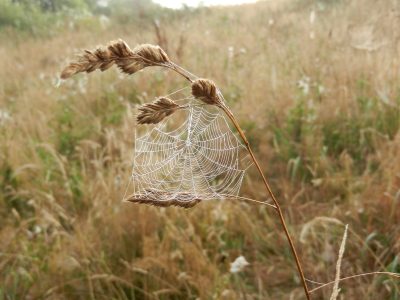
Although the fields around here looked parched and bleached, many of the hedges and small woods remained green and kept their growth. They stood out as dark slashes across the land. A few did not fare so well. The scrawny and lanky Elm trees became stressed, shrivelled up and looked like they had died. Time will tell. And the Honeysuckle, which was so abundant this year, lost all its leaves and flowers by the end of the month, leaving a tangle of dried, woody stems hanging across the hedges. Many of the grasses faded, became brittle and laid flat, revealing great patches of bare soil all across the field and garden. Spiders arrived early this season, and began to make good use of the tall spiky dried grasses that stayed upright, weaving their webs overnight – beautiful, as always, with the morning sun and dew draped over them.
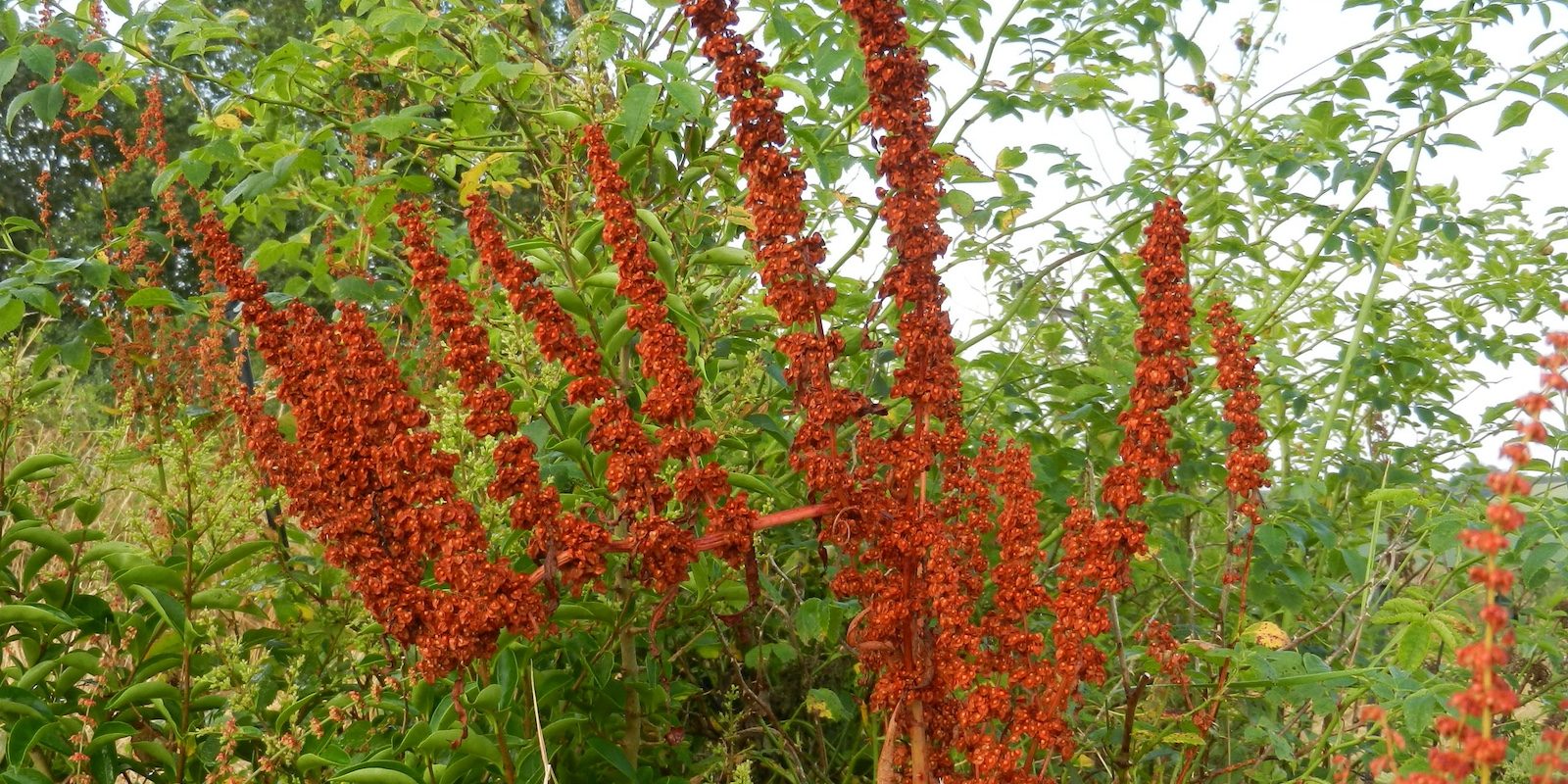
Areas of the riverbank managed well as it continued to have the benefit of the damp soil. The Meadowsweet bloomed and sent out its sweet almond scent and plenty of Wild Angelica was making its presence known. However, the Hemlock Water-dropwort, always abundant on the riverbank, did not do well in the heat and very quickly became dried up, pale and skeletal. In stark contrast, the dark red, rusty flower spikes of the Broad-leaved Docks stood out as a dramatic shot of colour in the field. And of course the Bindweed was happy everywhere and anywhere.
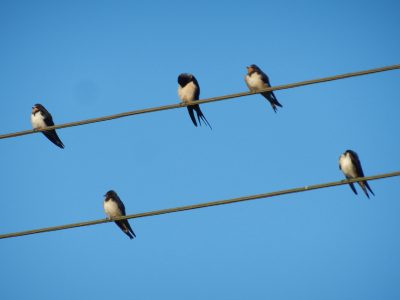
Although the birdlife was much quieter, there was plenty of activity going. On entering the barns there was immediate mayhem with Swallows shooting out of their nests and flapping around, furious that you entered into their domain. A few crash landings were seen as the young birds attempted various aspects of flight. They often gathered together for an evening chat along the telegraph wires. Blue Tit families were always around the feeder, helping their young to feed. And the Goldfinch family continued to fly in and out of the porch roof to tend to their young and encourage them out to start flight lessons. The Wrens never go quiet and their beautiful music could be heard throughout the day. And from the woods the distant and evocative calls and cries of the Ravens, Rooks and Buzzards became the background sound system for the month.