
The overall feeling for this month was that of warmth, in particular, very warm nights and they were a complete delight. Yes, it tells us that all sorts of systems are being altered from the effects of climate breakdown and we do all need to do our best to help mitigate the disasters which are being felt now, in many places all over the world. Floods, droughts and wildfires in our own country are showing us clearly that we are not doing enough. However, to be able to eat outside in the evening and stay out till daylight faded, without reaching for the hefty woolly jumpers and waterproofs is a rare occasion in Britain, and there was pleasure to be had in that moment. We are lucky, the sea breeze and mists keep us, for the moment, away from the worst and more difficult aspects of the high temperatures coming to this land.
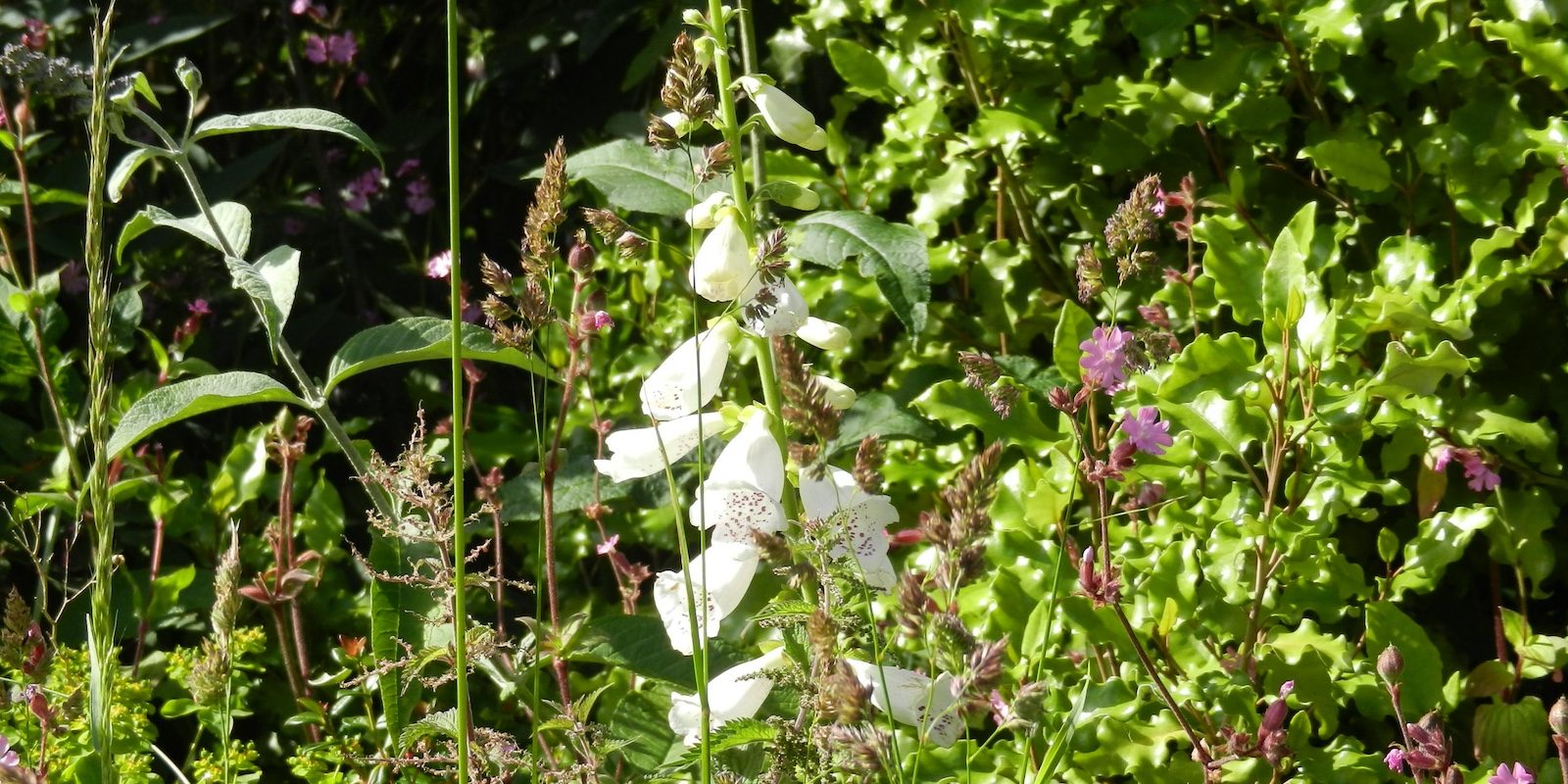
The Lizard never reached the sweltering heights of London and the South East which went over thirty degrees for many days and triggered yet another set of warnings from the MET Office regarding another heatwave. Inspite of being the warmest June on record for England, we experienced a considerable amount of heavy rainfall, thunderstorms and severe winds on the coastal regions in the South West (us!). The Royal Cornwall show was cancelled due to dangerously high winds, bringing yet more trees down and many of the beautiful Cornish hedgerows were smashed with much of the prolific growth of the Foxgloves, Campions and Grasses keeling over to the ground, losing much of their colourful flowers and blossom. Sometimes the scene was more reminiscent of a September in Cornwall. At other moments the landscape had all the usual beauty of a June landscape with abundant growth and colour and scents along the hedges and across the fields. A mixed bag.
The birds, however, did not seem to notice, they were busy getting on with their lives no matter the weather.The Robins have been in great voice, a bit of competition going on with the Blackbirds. Both these voices disappear as other bird song tunes take over. We have a nest of Goldfinches in the roof of our back porch and `I can watch the parents go back and forth feeding the young, from my living room window. They are a very noisy nest of little ones – sometimes one of the parents just sits on the branch of a dead tree just outside of the porch roof, close enough to hear what’s going on but definitely taking a bit of a break. Other birds identified were all the usual suspects: chiffchaff, Dunnock, Wood Pigeon, Blue Tit, Skylark, Wren,Jackdaw, and Pheasant. There were a few newcomers in the mix but as usual I’m not entirely convinced by the Merlin App – they are the Redpoll, Greater Whitethroat, Common Sandpiper and the Common Firecrest. I’ve been checking out their habitats and birdsong. The Redpoll is a Winter visitor, unlikely to be around in June. The Sandpiper is generally found in wetlands and rivers, I don’t think our small stream would attract them here. The Whitethroat is a summer visitor and is a definite contender for this habitat as indeed is the Firecrest. I will continue to monitor this data. Swallows are ever present, both in their chattering and wholesale take over of our barns but also in their evening socials.They take over the skies to fill their bellies with food from the flying insects but also to perform their wonderful acrobatic dances and dives.
By the end of the month, having survived storms of rain, howling winds, and savage heatwaves, this landscape seemed in good health. Noticeable absences were – White Mustard, Hoary Mustard and Charlock, all of which have been abundant in previous years. The grasses went from lush green to dry and bleached within the month, and the Hogweed started to dry up and turn to seed, but the wildflowers continued to bring colour all over the field. We had the usual pink Foxgloves, joined by white ones – a first in this place. Bedstraw and Honeysuckles ran riot across the hedges, Clover, Cranesbill, Knapweed, Meadowsweet, Buttercups, Bird’s Trefoil, and for the first time, Yellow Rattle and Yarrow, all weaving their way across the field. The Apple trees were full to the brim with fruit, we even had a few dozen Damsons! (More first timers). Dozens of Globe Artichokes, the Squash, Peas and Beans have all gone insane – we will have armfuls of produce. So far we have not had to water inspite of the dry periods and high temperatures. This is, hopefully, the result of the no dig system we’ve introduced, which also involves mulching the allotment with lots of manure and compost earlier in the year. Early days for us with this method but so far it’s keeping the weeds away and keeping the plants moist and fed. Not too long now before we get to wine, dine and share all the delicious produce. Bring it on.