
Unfortunately, the promises of warmth offered to us at the end of March were cruelly snatched away from us in April. Heavy frosts greeted us most mornings and hung on for hours, despite a bright sun gracing the sky.
Unfortunately, the promises of warmth offered to us at the end of March were cruelly snatched away from us in April. Heavy frosts greeted us most mornings and hung on for hours, despite a bright sun gracing the sky.
March was warm and muggy, wet and windy, sunny and cloudy, cold and frosty. The MET Office described it as a, ‘disturbed spell of weather’. Early on the warm woolly jumpers were cast aside and some brave souls went on to sport a pair of shorts.
It was a very dramatic month in terms of weather. It was the mildest February since 1884, (MET Office) but had far more rainfall than average. On the 18th the full moon lit up the sky
Lots of rain and mud continued in our lives but the easterly chill that gripped most of Britain bypassed us and we escaped the bitter weather and snow. The month ended on a brilliant sunny note.

The month started off with a coating of ice across the field and track and a temperature of minus seven. Beautiful glowing skies accompanied the cold in the dawn of the first day of the year.
Across the British Isles the wet weather dominated the month, plenty of familiar forecasts with ‘wet and windy’ days and ‘prolonged spells of rain’ but down on the Lizard we also had enough sun and warmth to dry several days of washing.
The land has been looking a bit lifeless recently but there is plenty of action on the farms, getting the last cut of the year, bringing in the sprouts, the cauliflowers, and the assorted colours of the chard and cabbage.
According to the Met Office, October 2020 was one of the wettest on record. The fallout from Storm Alex, Aiden and Hurricane Zeta was well and truly felt in the South West bringing coastal gales of 65mph and a thorough drenching of the land. Affectionately known as ‘lovely weather for the ducks’.
The roses are still in bloom in what I laughingly refer to as the garden but the swallows have left us and with their departure a particular silence descends upon the land. It’s always a sad moment.
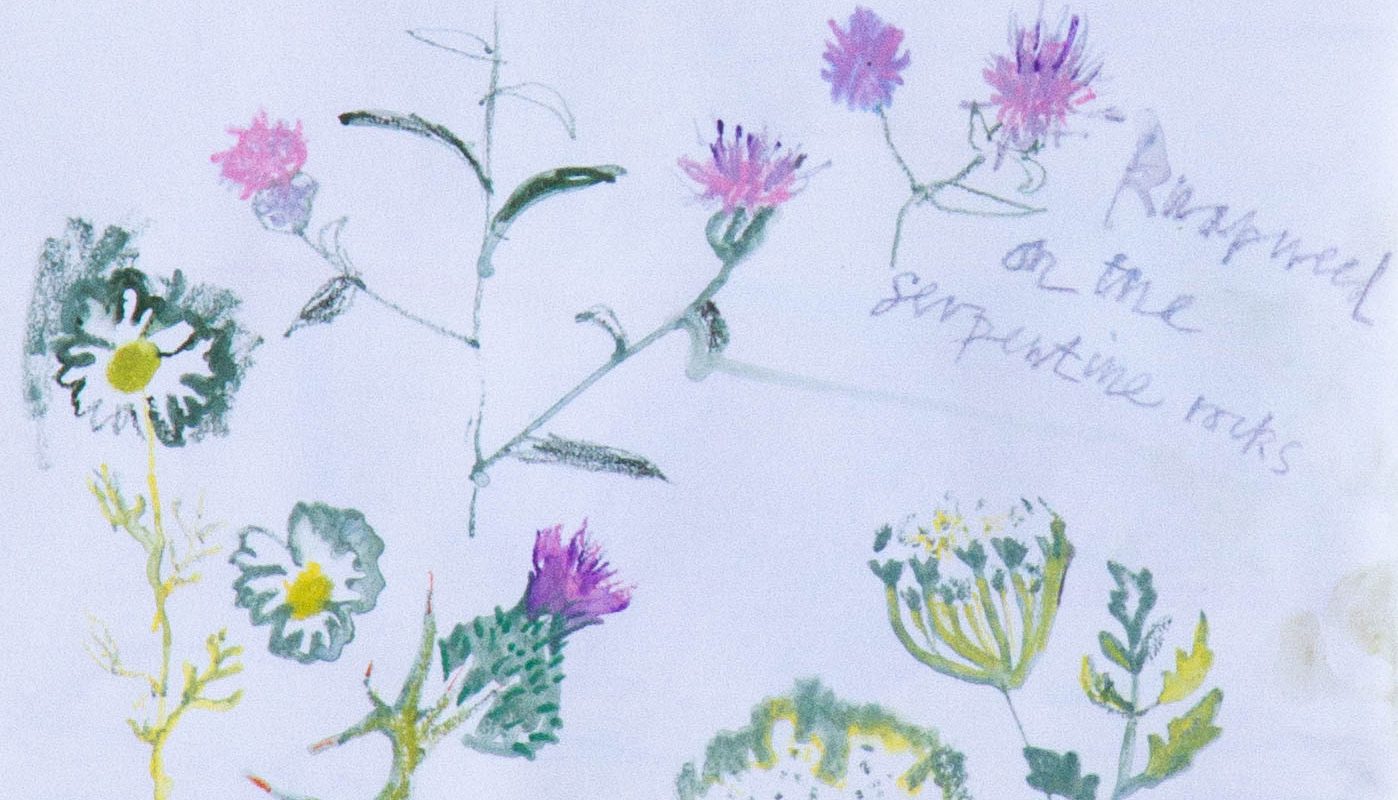
This year we let the field grow wild without cutting it for silage. And the field repaid us handsomely for its freedom from the tractor.