
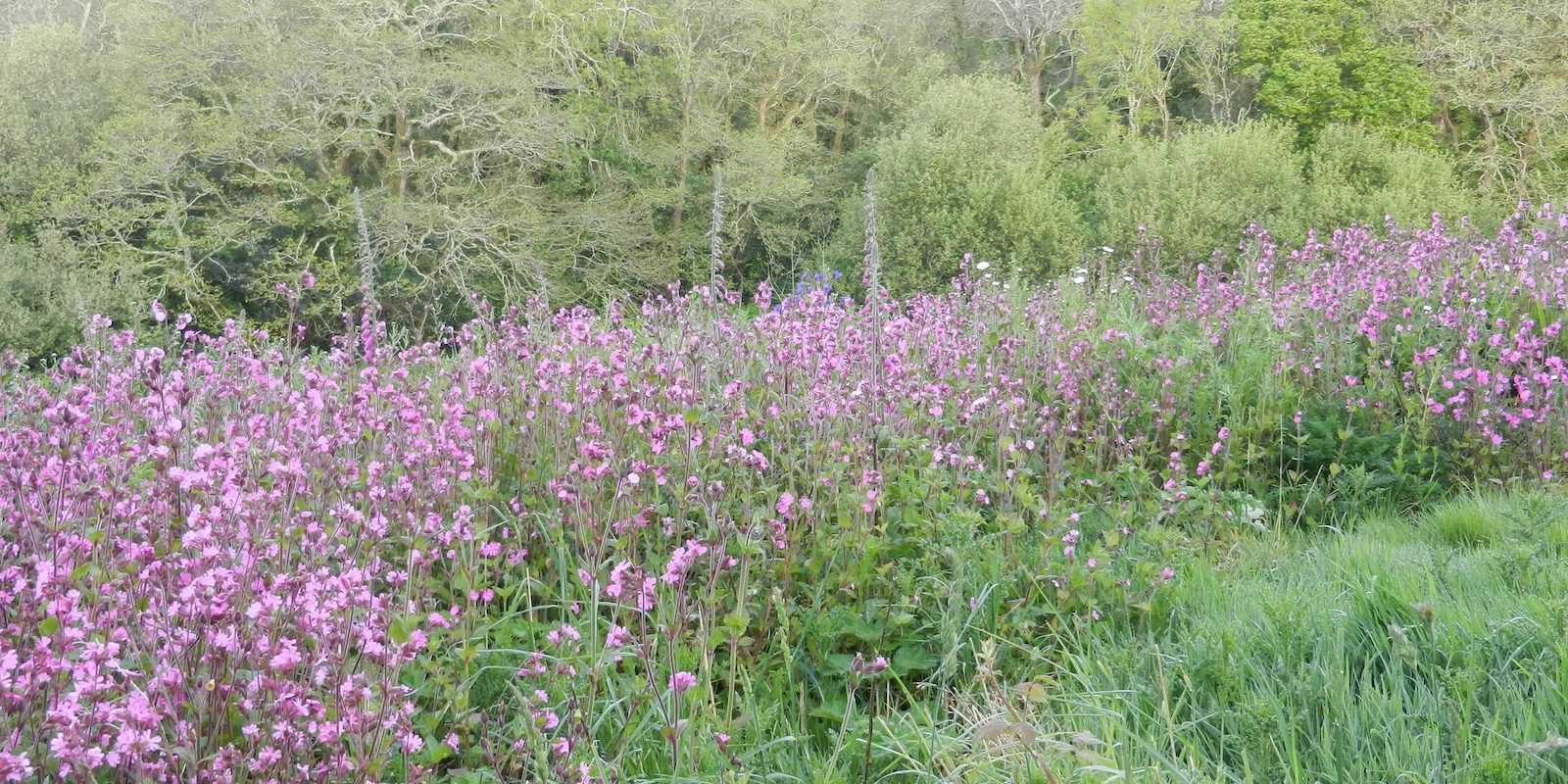
The MET described this May as ‘a month of two halves’, summing it up perfectly. The first half was a continuation of April, more wet and windy days, heavy flooding and cold nights, with early morning frosts still present. And then suddenly it was hot, reaching record breaking temperatures in the last week of the month.
This of course, precipitated an enormous surge in growth of the Cornish hedges and fields. Everything was in a chaotic muddle – plants that usually arrive in mid June decided it was warm enough to rear their heads now, and the earlier residents from Spring decided to hang on a bit longer and maybe even produce some more flowers. The birds were going for the olympic gold in their daily singing competitions, nobody was getting any sleep after 6am.
The cuckoo appeared, or rather, was first heard in late April, which was earlier than usual for us. But it was in May that it really got going and didn’t seem to stop for a break at any point. Migration was in full swing, normal for the time of year but as with many areas of the natural environment, birds are facing ever increasing hazards as they embark on their epic journeys along the flyways. According to the datazone.birdlife.org which has published ‘The State of the World’s Bird Report’, one in nine migratory birds are now threatened with extinction. They cite all the usual suspects: intensification of farming, unsustainable hunting, pollution, invasive species and global heating – all overwhelmingly caused by humans.
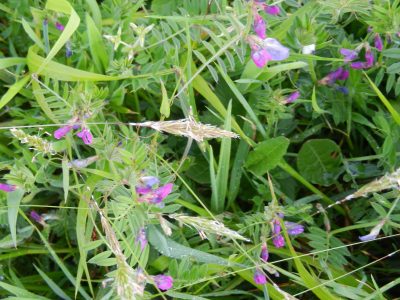
As always this time of year it is the Pink Campions that put on the best display. They dominate vast swathes of the field, the hedgerows and most of the bedding area of the garden. I do have to do a bit of a cull in the garden area, if I want anything else to have a chance of appearing – and I do. Obviously, anything else that I did plant was considered pretty tasty by the gathering snails and slugs, but they leave the Campions alone. Other flowers were represented by the Purple Milk Vetch, Clover, Speedwells, Cranesbill, (masses of tangles in the field), Elderflowers, Ox Eye Daisies, and Foxgloves. The plants yet to flower but sprouting leaves were Lady’s Mantle, Columbine, Common Knapweed, Comfrey, Creeping Thistle, Marsh thistle, Hogweed, Hemlock Water-dropwort and Wild Angelica. As I said, chaos reigned, but it is a glorious moment in the calendar, the sheer joy and energy that nature embodies is on display for us all.
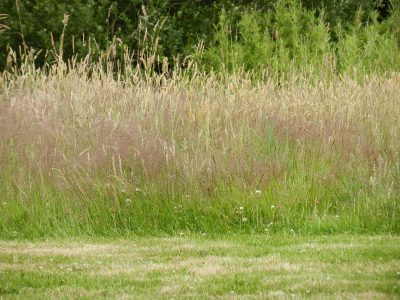
And in the lower field the grasses burst up through all the old growth. The lovely dusky pink of the Yorkshire fog grass, the Rough Meadow grass, Common Bent, Timothy grass, Meadow Foxtail and the Cocksfort grass way above all others in height. The Docks, the Sorrels with their bright greens, reds and rust colour stalks. And dotted amongst all this new growth of grass were the latest Oak trees, from tiny six inch trees to those of three foot or more finally bursting out of a clump of Brambles, with their beautiful lush green leaves. There are always new Oaks to spot at this time of year, not all of them survive the various perils that greet their lives. However, we have 12
trees that are around the ten foot mark, all are naturally regenerated and half a dozen more that we have planted from local acorns, all of which are healthy young trees. According to The Woodland Trust, ‘Naturally regenerated trees show adaption to locally prevalent environmental conditions such as drought, often surviving better than planted trees’. Back in the 1860s Thoreau was pretty much saying the same thing, ‘Every Oak tree started out as a couple of nuts who stood their ground’.